Home

The CNCA in brief

Jan 2, 2010

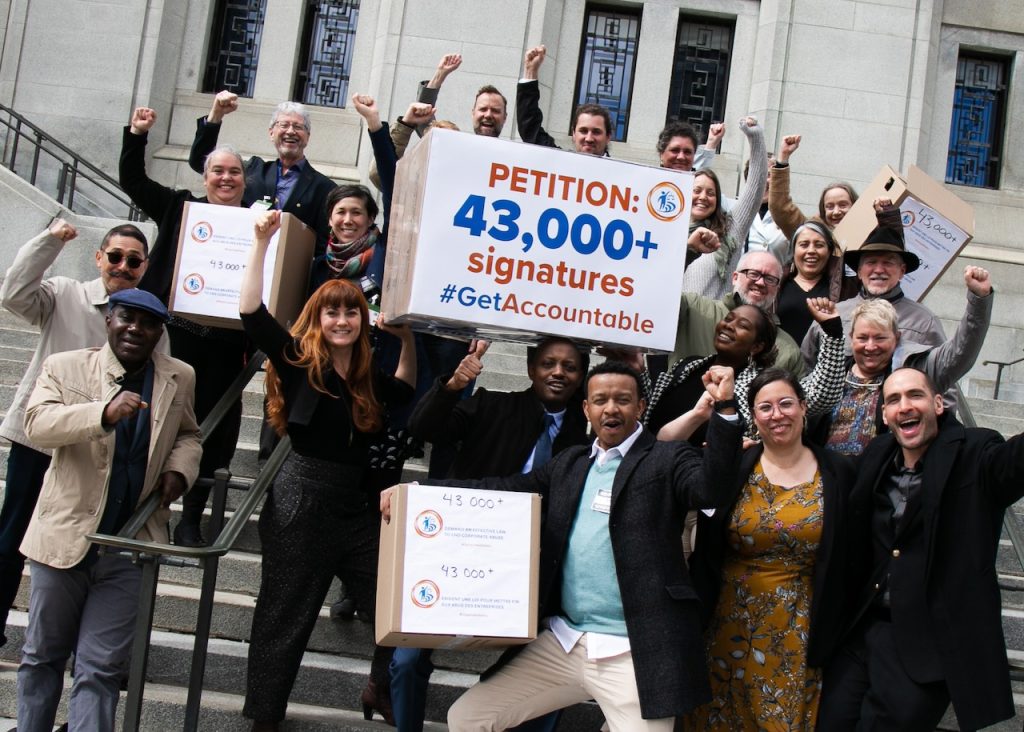
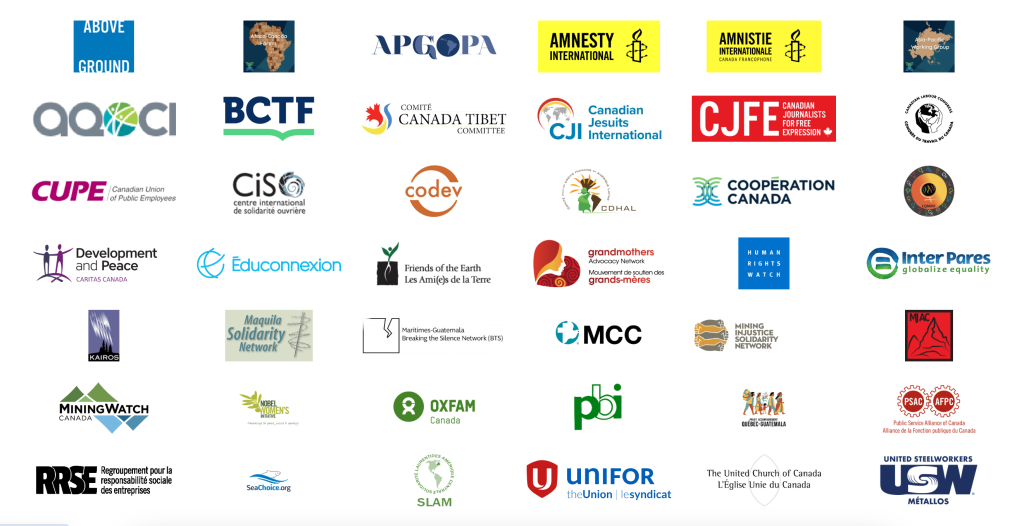
The CNCA unites environmental and human rights NGOs, faith groups, labour unions, and research and solidarity groups across Canada who are advocating for federal legislation to establish mandatory corporate accountability standards for Canadian extractive companies operating abroad, especially in developing countries.

On March 6, 2012, the CNCA held a legal capacity-building session to explore several areas of law related to our collective work. Below are several basic fact sheets regarding these areas of law.

This fact sheets are intended to be informative in nature and should not be considered as legal advice or relied upon as such.

Read individual fact sheets:

Human Rights

May 15, 2012

Both federal and provincial legislation exists in Canada to govern human rights. The Canadian Charter of Rights and Freedoms, which forms part of the Canadian Constitution, establishes the fundamental rights and liberties that are guaranteed under Canadian law. It acts as a buffer between the government and the public, imposing limits on government activity to [...]

Criminal Law

May 15, 2012

The Canadian Constitution grants the federal government exclusive jurisdiction to legislate with regard to criminal law. This means that criminal law is consistent, nationwide. Most criminal law in Canada is codified in the Criminal Code of Canada. With limited exception, the state enforces criminal law. In other words, private citizens cannot lay criminal charges or [...]

Corporate Law

May 15, 2012

Corporate law governs the creation and operation of companies. It regulates the incorporation process, the structure of a corporation, the obligations of directors (members of the board of directors) and officers (corporate management), as well as corporate reporting requirements. In Canada, corporations can be created at both the provincial and federal levels. Federal corporations are [...]

Tort

May 15, 2012

A tort is a civil (non-criminal) wrong. Tort law deals with situations where one person’s act or omission unfairly causes loss or harm to another person. Examples of torts include:  negligence (the person who caused the injury acted without taking reasonable care to avoid it from happening) trespass (e.g. intentional interference with the possession of [...]